
Utility Network Trenching & Pipeline Laying
Trenching and laying of large-diameter water, sewer and stormwater lines, with trench shoring, sand bedding, layered backfill and compaction, and asphalt reinstatement.
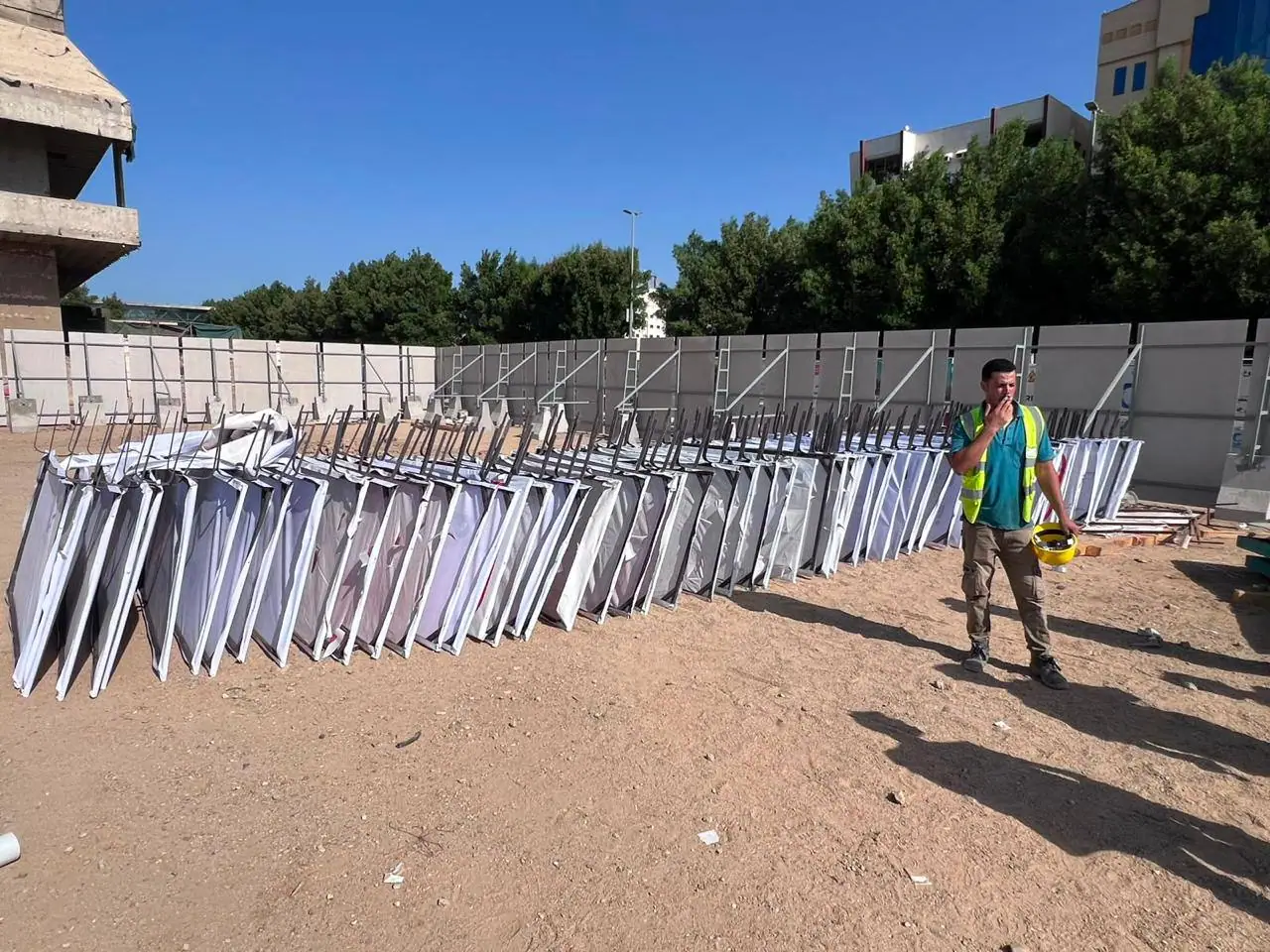
We excavate water, sewer and stormwater network lines within urban areas and along busy road corridors, where space is confined and traffic never stops.
We take the full scope under a single contractor’s responsibility: from cutting the asphalt and opening and shoring the trench, to laying the pipes, layered backfill and asphalt repaving, with daily digital records of every stage in photos and coordinates.
What is included
- Saw-cutting the existing asphalt along utility routes to avoid broken edges.
- Excavating trenches to design level and gradient, with the sides secured by trench shoring boxes.
- Placing clean sand bedding under the pipes, then fixing and surrounding them in line with code and water-network requirements.
- Laying and lowering pipes (GRP / ductile iron / carbon steel / HDPE) in a range of diameters.
- Installing phosphorescent warning tape and electromagnetic detection wire above the surround layer.
- Layered backfill with engineered fill, watered and compacted with hand compactors and small trench rollers to protect the pipes from stress.
- Building and casting manholes and valve chambers, including formwork, reinforcement, waterproofing and concrete.
- Rebuilding the aggregate base course and repaving the asphalt flush with the existing level.
- Traffic management with concrete and plastic barriers, warning signs and night lighting towers.
How we do it
- 1Coordinating in advance and locating crossing underground services (power cables, telecoms, existing lines) before excavation.
- 2Preparing and implementing the approved traffic management plan (TMP) and closing the lane with regulation safety barriers.
- 3Working in defined sections; each section is excavated, shored, laid, backfilled in layers and resurfaced before moving to the next, so roads are not disrupted.
- 4Documenting every stage with site photos stamped with date, time and GPS coordinates.
- 5Carrying out compaction tests, handing the section over to the consultant and main contractor, and reopening the lane to free-flowing traffic.
FAQ
Do you carry out excavation and pipe laying at night in residential districts and on main roads?+
Yes. We have the field experience and readiness to excavate and lay lines at night, with work zones fully secured by lighting towers and official traffic diversions so traffic is not obstructed during peak hours.
How do you keep deep trenches stable and protect workers and neighbouring structures?+
We install steel trench boxes and shoring during excavation as soon as critical depths are reached, to prevent any soil collapse, in full compliance with HSE requirements.
Have a site that needs preparation, excavation or supply?
Send the location and quantities or a drawing on WhatsApp, or request a formal quotation.